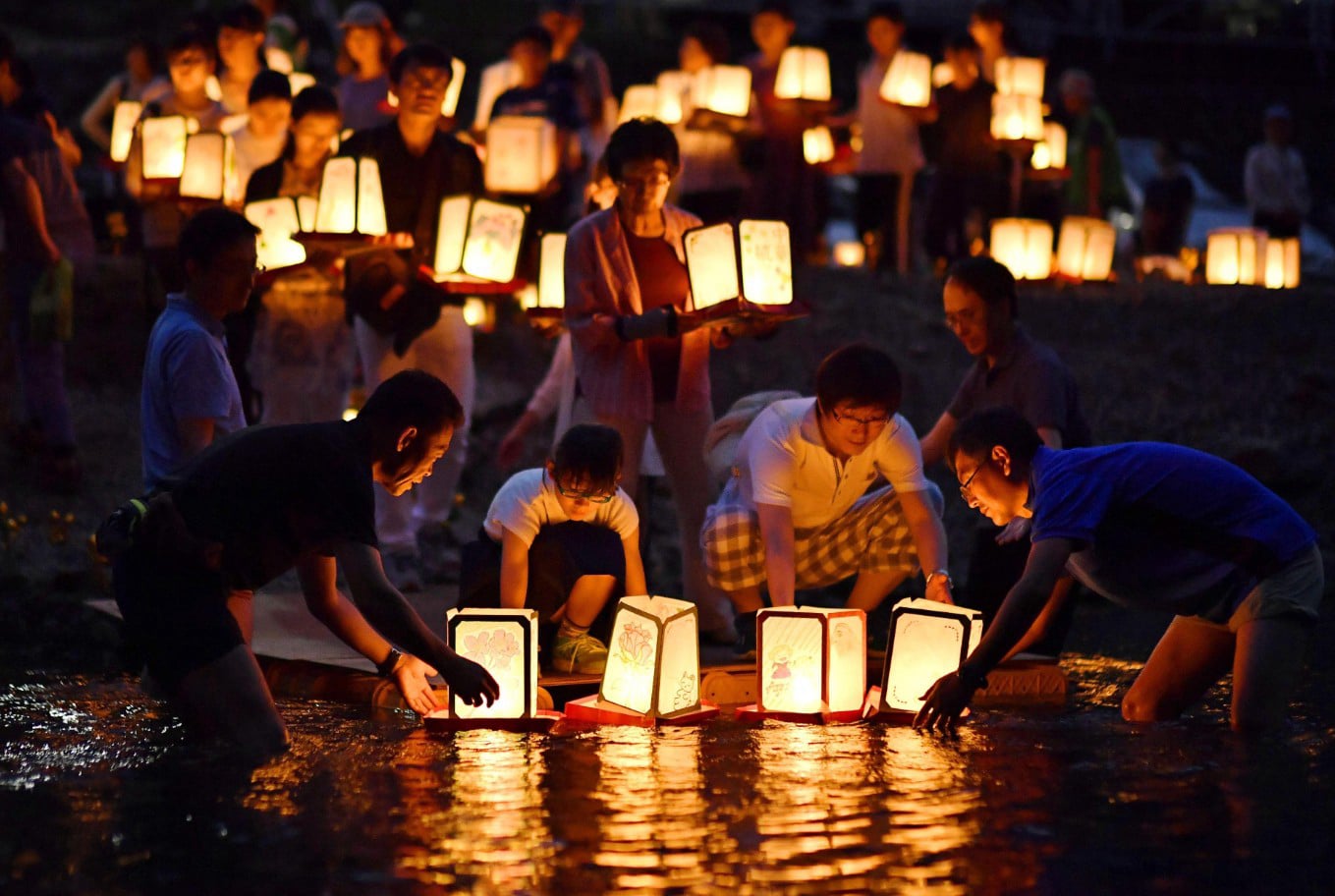
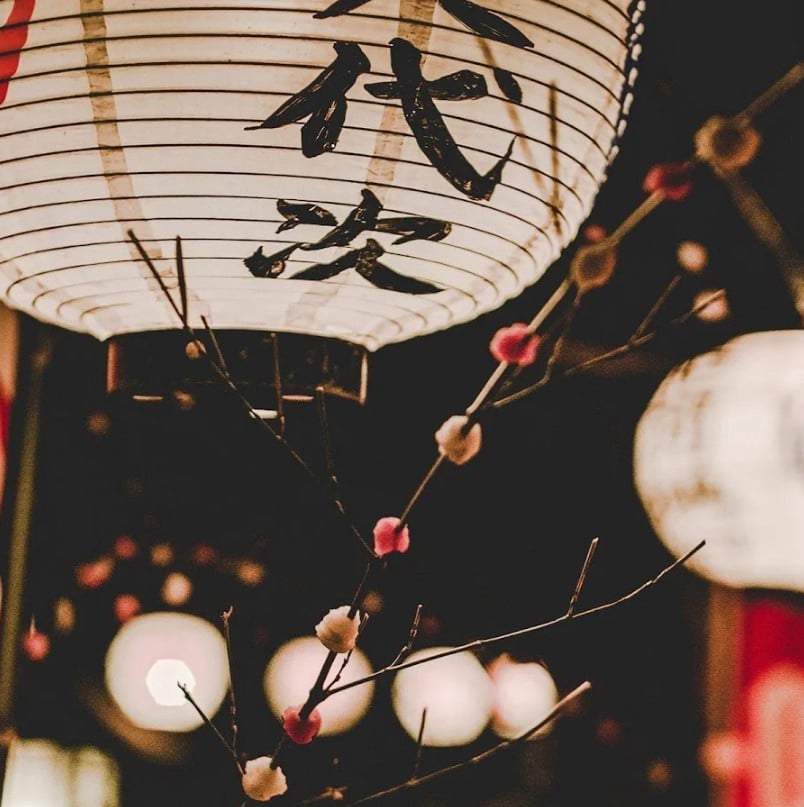
Discover authentic guides to matsuri festivals, ancient New Year customs, and the art of cherry blossom viewing. We bring Japan’s living traditions directly to you.
Welcome to Nippon Seasons. We are a small team of cultural storytellers based in the heart of Tokyo, and we believe that the best way to understand Japan is through its matsuri festivals and seasonal celebrations. From the electric energy of lantern festivals to the quiet poetry of cherry blossom viewing, our mission is to preserve and share the rituals that have marked time in Japan for centuries. Whether you are a traveler planning your journey or simply a lover of Japanese culture, we offer honest, detailed insights free from commercial noise.
Our blog was born from a simple desire: to create a genuine archive of living traditions. We walk the streets during New Year customs, interview shrine keepers, and stand under blooming sakura each spring just to capture the feeling for you. With every article, we focus only on the culture, the history, and the joy of seasonal celebrations. No investments, no banking, no brands—just Japan’s beautiful yearly cycle.
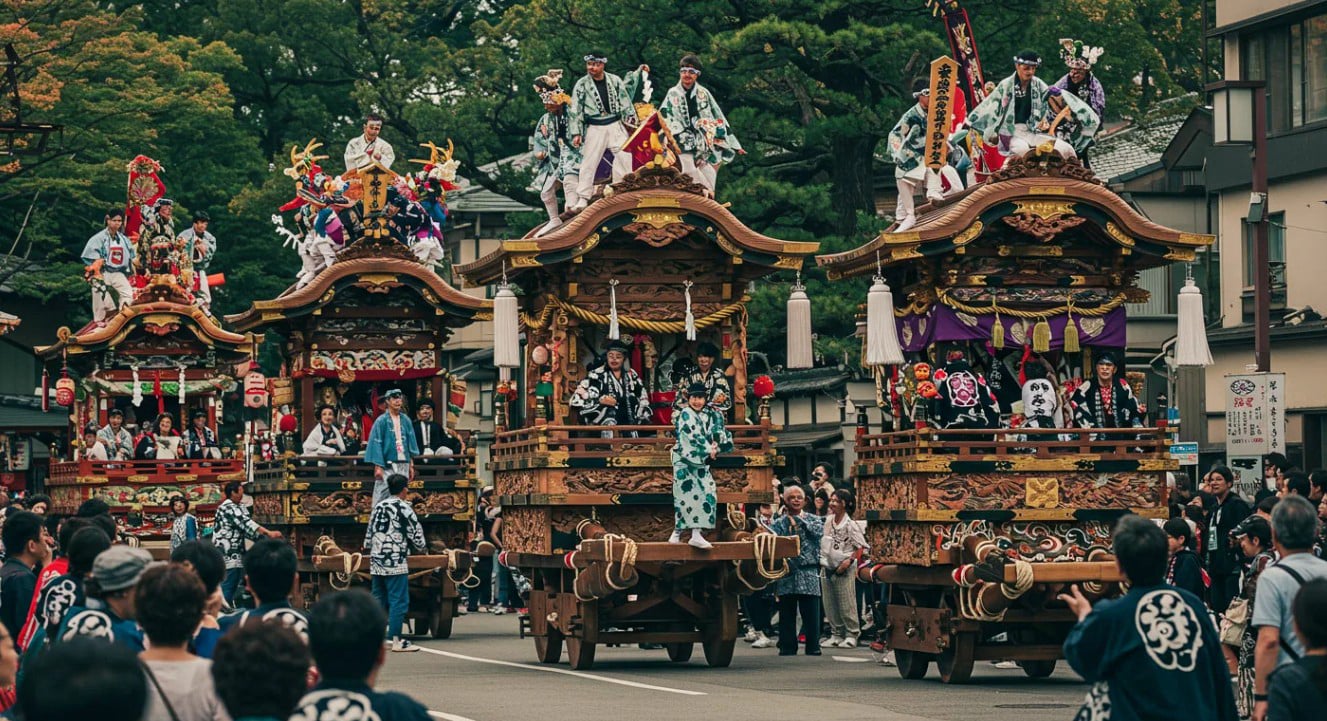
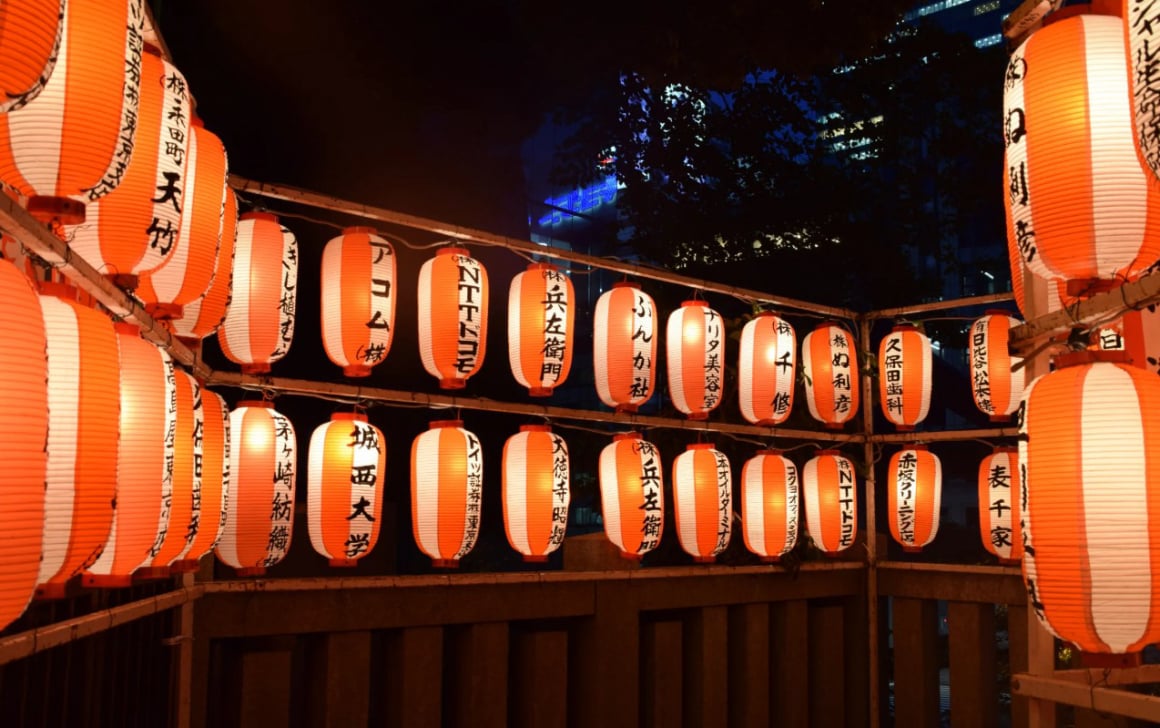
Dive deep into the most spectacular matsuri festivals of July and August. This guide explores the famous lantern festivals of Tohoku, where thousands of paper lanterns light up the night sky. Learn the meaning behind each float, the traditional dances (Bon Odori), and how to participate respectfully. Perfect for understanding how seasonal celebrations bring entire communities together during Obon season.
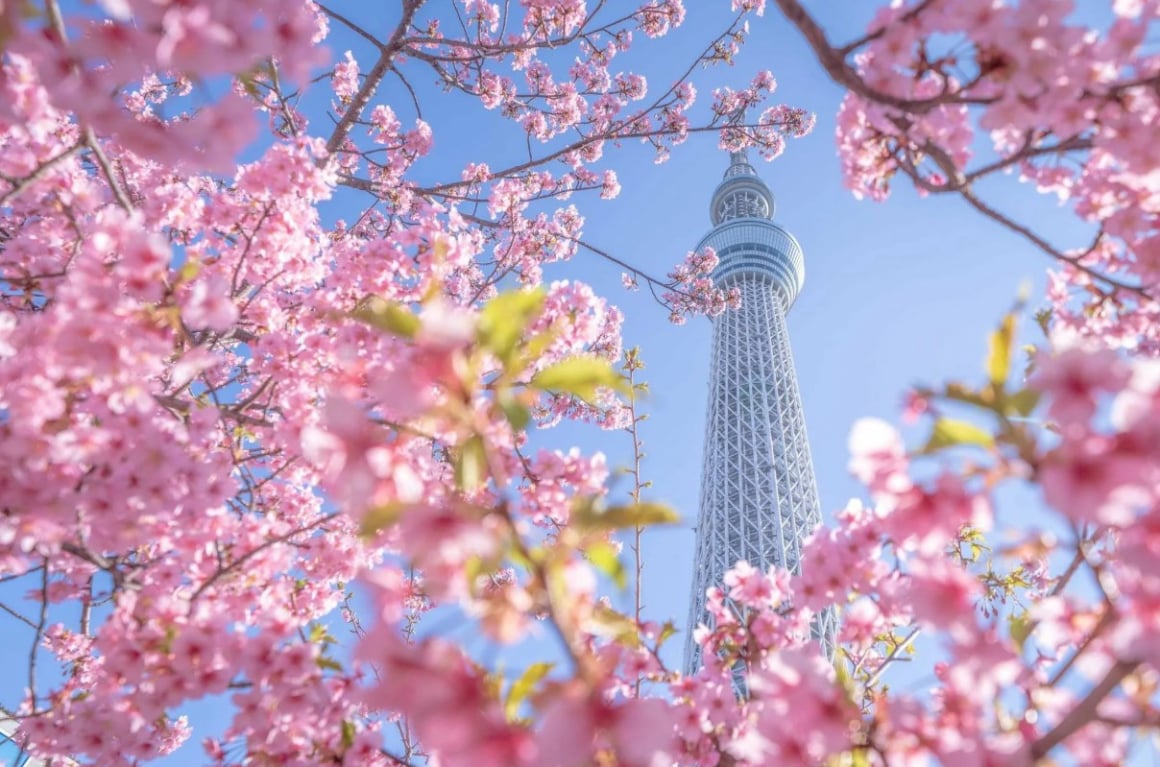
Cherry blossom viewing is more than a picnic—it’s a national philosophy. This article breaks down the best lesser-known parks away from tourist crowds, the proper way to reserve a spot, and the symbolism of fleeting beauty in Japanese culture. We also connect hanami to matsuri festivals that happen simultaneously, such as spring food stalls and night illuminations. Avoid the chaos and experience sakura like a local.
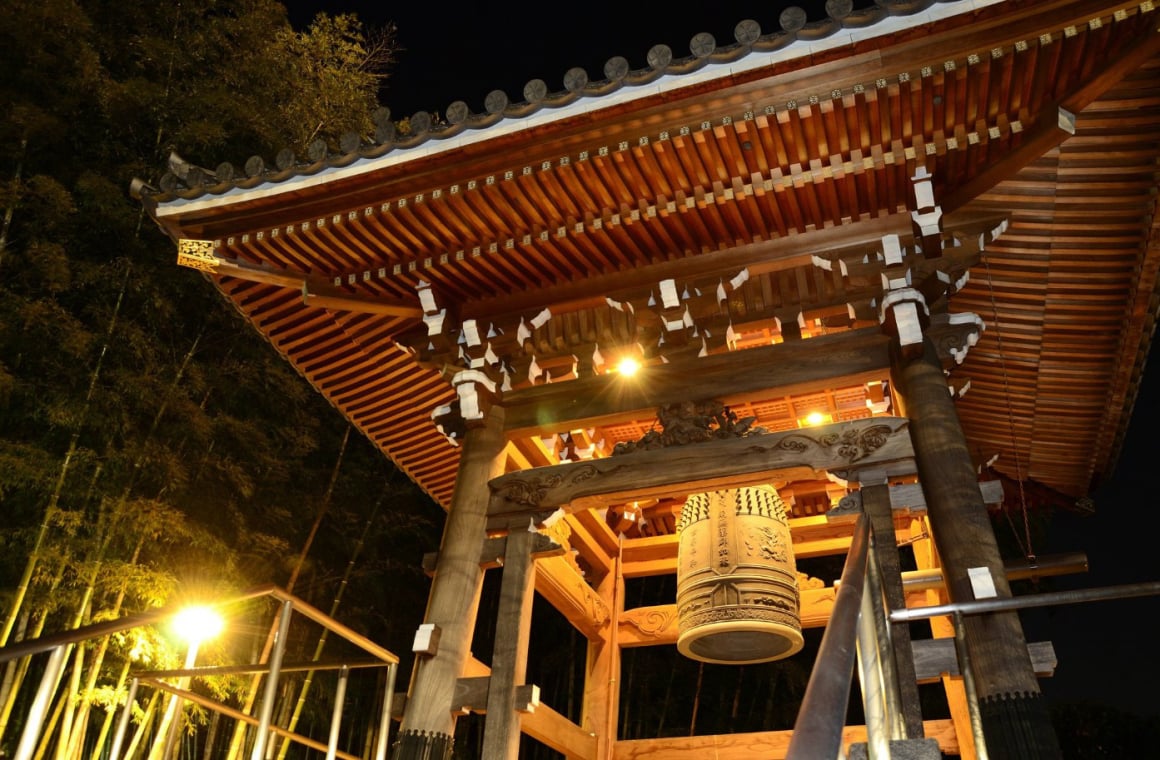
Japan’s New Year customs are a rich tapestry of purification and hope. Discover why the bells ring 108 times on New Year’s Eve, what to eat for good luck (osechi ryori and ozoni soup), and the meaning of early morning shrine visits (hatsumode). This article also shows how seasonal celebrations in January differ from lively matsuri festivals later in the year, offering a more reflective, family-centered tradition.
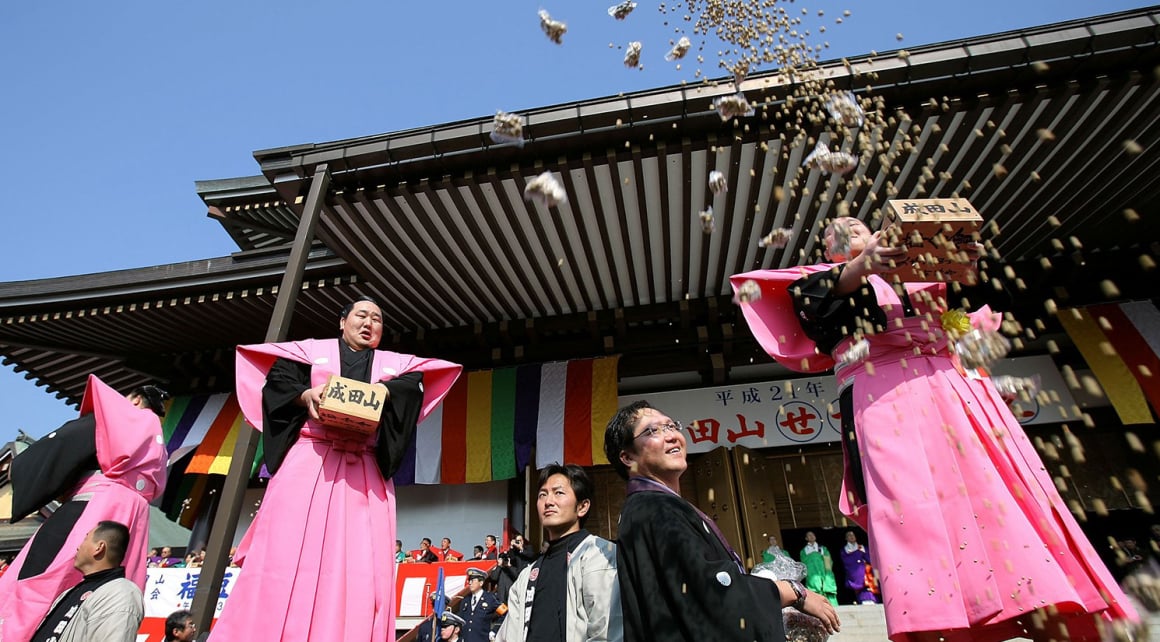
Not all seasonal celebrations involve crowds. This piece covers quieter rituals: bean-throwing for Setsubun, star festivals (Tanabata) with their own small lantern festivals, and autumn moon-viewing (Tsukimi). We also explain how New Year customs blend with agricultural roots. If you love cherry blossom viewing in spring, you will adore autumn’s harvest traditions. A complete calendar for Japan lovers.
Nippon Seasons began in 2018 as a small notebook project. Our founder, a long-time resident of Asakusa, noticed that many online guides confused matsuri festivals with tourist parades or mixed in commercial advertisements for unrelated services. Determined to create a clean space, he started personally documenting every cherry blossom viewing spot, every unusual lantern festivals date, and the deep rules behind New Year customs. The first readers were just neighbors and local shopkeepers.
Over five years, our archive grew into a trusted resource for those who seek authentic seasonal celebrations. We have expanded to a team of four writers and photographers, all based in Japan, none affiliated with any external brand. Today, we still refuse any sponsored content or financial products. Our history is built on pure love for Japan’s seasonal rhythm—from the first plum blossom to the winter solstice. Every article remains as honest as day one.
We never mention banks, investments, currencies, or third-party brands. Our content focuses entirely on culture: matsuri festivals, cherry blossom viewing, lantern festivals, New Year customs, and other seasonal celebrations. You will never find a hidden sales pitch here.
Our team lives in Tokyo and travels nationwide for every festival season. We do not rely on secondhand stories. When we describe lantern festivals or New Year customs, we have witnessed them firsthand. This guarantees accuracy and depth you will not find in generic travel blogs.
We understand that planning around seasonal celebrations can be confusing. That is why we provide exact dates, typical weather notes, and cultural etiquette for matsuri festivals and cherry blossom viewing. Our readers save hours of research and avoid common tourist mistakes.
Many New Year customs and lantern festivals are losing their original meaning. We actively interview local elders and shrine priests to document the true rituals behind seasonal celebrations. By reading us, you support the preservation of Japan’s intangible cultural heritage.
Matsuri festivals are usually Shinto or Buddhist events featuring parades, portable shrines (mikoshi), and lively music, often tied to a specific shrine. Other seasonal celebrations include cherry blossom viewing (hanami) or New Year customs (hatsumode, osechi), which can be more private or family-based. Lantern festivals are a type of matsuri festivals common in summer.
Typical cherry blossom viewing season runs from late March to early April in Tokyo and Kyoto, and into May in northern regions like Hokkaido. Exact timing varies each year with weather. We always recommend checking our updated seasonal guides before booking travel.
Most lantern festivals happen during summer (July–August) as part of Obon seasonal celebrations. However, some autumn and winter lantern festivals also exist, such as the snow lantern events in February. Many New Year customs also involve paper lanterns for decoration.
Key New Year customs include eating toshikoshi soba on New Year’s Eve, visiting a shrine or temple within the first three days (hatsumode), and sending nengajo (New Year’s postcards). Unlike matsuri festivals, New Year customs are quieter and more focused on family and purification rituals.
Avoid major city lantern festivals and instead look for smaller rural matsuri festivals. For cherry blossom viewing, choose early morning hours on weekdays. We provide detailed lesser-known locations for all seasonal celebrations in our blog posts, including off-the-path New Year customs events.