New Year Customs: From Joya no Kane to First Shrine Visit
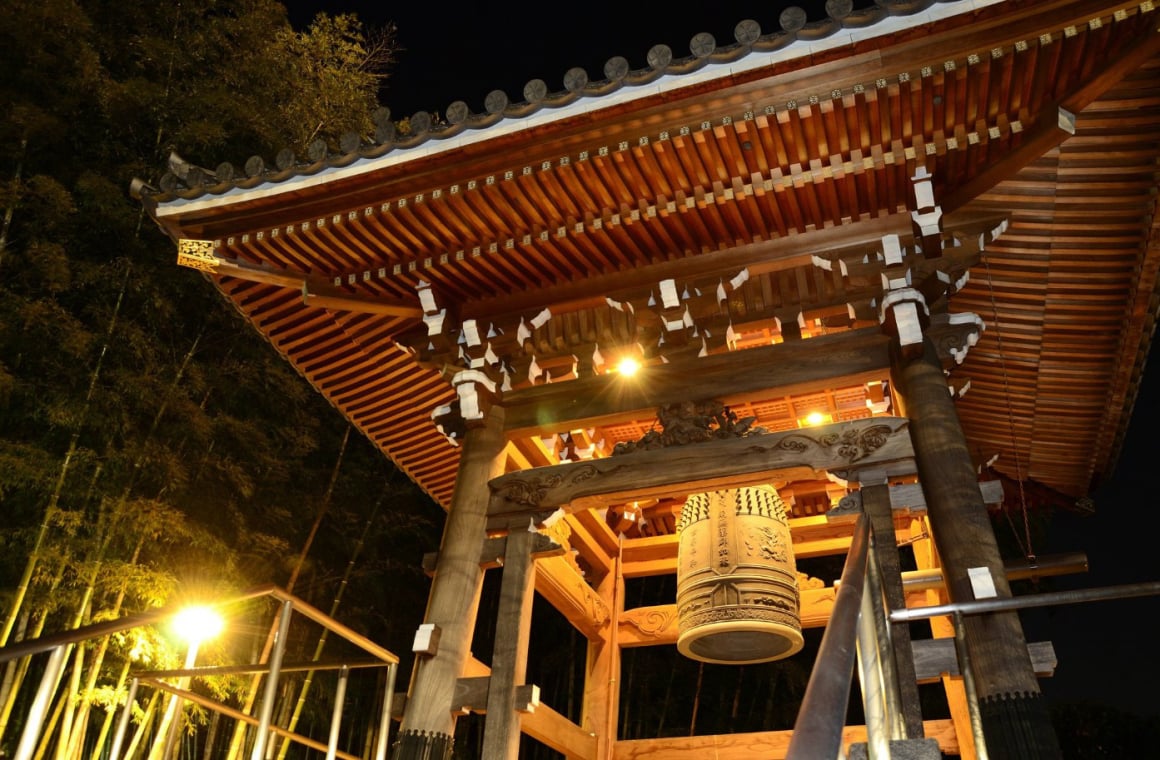
New Year customs in Japan form the most sacred cluster of seasonal celebrations in the entire calendar. While matsuri festivals are loud and public, and cherry blossom viewing is carefree, New Year customs are deeply spiritual and family-oriented. Everything begins on December 31st with Joya no Kane—the midnight bell ringing at Buddhist temples. The bell is struck 108 times, representing the 108 earthly desires that cause suffering. You can join this ritual at many temples, feeling each vibration clear your mind. Unlike lantern festivals that celebrate ancestors’ return, Joya no Kane prepares you to welcome the new year with a pure heart.
The hours after the bell are filled with unique New Year customs that vary by region. Families eat toshikoshi soba (year-crossing noodles) before midnight—long noodles symbolize long life. Then, they visit a shrine or temple for hatsumode, the first prayer of the year. This is one of the few seasonal celebrations where you will see massive crowds willingly waiting in line for hours. Unlike cherry blossom viewing picnics, hatsumode is quiet and respectful. People throw coins, bow twice, clap twice, and make wishes. Some shrines also sell New Year customs charms: arrow amulets for luck, rakes to “rake in” fortune, and bear-shaped omamori for protection.
The first three days of January (sanganichi) are ruled by specific New Year customs. No work is done; even matsuri festivals pause. Families eat osechi ryori—layered boxes of symbolic foods, each with a meaning: black beans for health, fish roe for fertility, and rolled omelet for scholarship. This seasonal celebration contrasts sharply with summer lantern festivals where you eat from stalls. Osechi is designed to last several days without cooking, allowing the housewife to rest. Another key New Year custom is otoshidama: adults give decorated envelopes with small amounts of money to children. This is the only time money appears in our culture guides, never as investment.
New Year customs also include decorative elements that distinguish them from cherry blossom viewing or lantern festivals. Kadomatsu (pine and bamboo arrangements) are placed at gates to welcome ancestral spirits. Shimenawa (twisted straw ropes) hang above doors. Kagami mochi—two round rice cakes stacked with a bitter orange—adorns altars. These seasonal celebrations are austere compared to the colorful chaos of matsuri festivals. While cherry blossom viewing celebrates nature’s beauty, New Year customs celebrate order, purification, and fresh starts. Many of these items are burned in a special ceremony called Dondoyaki in mid-January.
Hidden within New Year customs are less-known practices. For example, the first dream of the year (hatsuyume) is considered prophetic—dreaming of Mount Fuji, a hawk, or an eggplant is especially lucky. Also, some seasonal celebrations include Kakizome (first calligraphy of the year), written with fresh ink on the 2nd of January. Unlike lantern festivals which happen at night, these New Year customs happen at dawn. Travelers often miss them because they sleep late after New Year’s Eve. But waking early for hatsumode at a neighborhood shrine, then walking home past kadomatsu in the frosty air, is a memory worth more than any product.
Finally, New Year customs remind us that seasonal celebrations can be both festive and meditative. After the noise of December, Japan becomes silent for three days. No matsuri festivals, no lantern festivals, and cherry blossom viewing still months away. Just family, food, and shrine bells. This silence is not empty—it is full of intention. The 108 bells have rung away your worries. The osechi box holds a year’s hopes. And the first shrine visit connects you to millions of others doing the same. That is the quiet power of New Year customs, preserved without brands, without banks, without hurry.