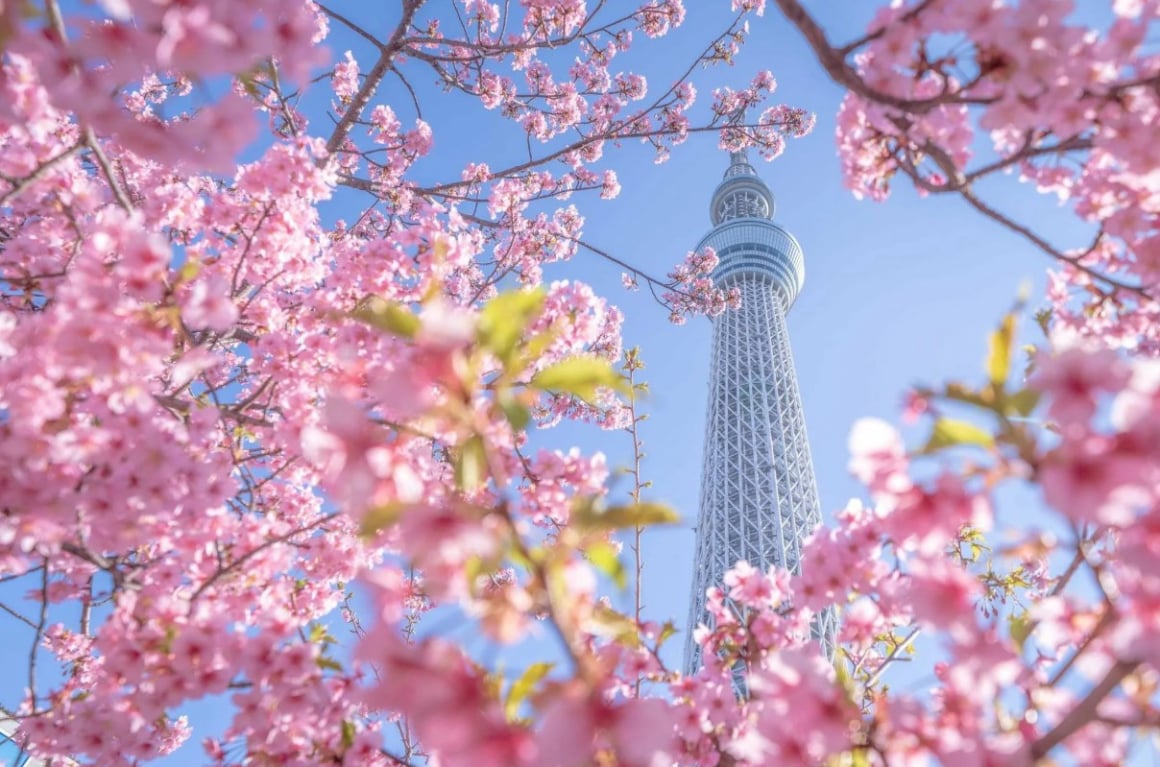
Cherry Blossom Viewing: Hanami Etiquette & Hidden Spots
Cherry blossom viewing, known as hanami, is Japan’s most famous seasonal celebration, yet it is also the most misunderstood by visitors. Many people imagine silent contemplation under pink canopies, but true cherry blossom viewing is often a lively, boisterous party. Friends and coworkers claim picnic spots at dawn, spread blue tarps, and eat bento boxes while drinking sake. This tradition is one of the oldest seasonal celebrations, dating back to the Heian period. Unlike New Year customs which are solemn, or matsuri festivals which are structured, cherry blossom viewing is beautifully chaotic and democratic—anyone can join any group with a smile and a snack.
Proper etiquette during cherry blossom viewing starts with the spot itself. Never pull branches or pick flowers; this is strictly forbidden and deeply disrespectful. The blossoms are meant to fall naturally, reminding us of life’s fleeting beauty (mono no aware). During seasonal celebrations like hanami, you should also control your volume near temples and shrines that have sakura trees. Unlike lantern festivals where loud drums are welcome, cherry blossom viewing in sacred spaces requires a hushed tone. Also, take all trash home—parks rarely have bins during peak bloom.
Hidden spots for cherry blossom viewing are the secret treasure of Japan. While everyone crowds Ueno Park and Maruyama Park, locals head to places like the Meguro River’s less-photographed sections or small castle ruins in rural Gifu. These seasonal celebrations feel like private gifts. One of the best hidden spots is a tiny shrine garden in Kanazawa where cherry blossom viewing happens alongside early lantern festivals—a rare combination. In these quiet places, matsuri festivals are absent, and the only sound is wind through petals. You can also find cherry blossom viewing at night (yozakura), which many overlook.
The timing of cherry blossom viewing is an annual obsession in Japan. The bloom moves from south to north like a pink wave. Unlike fixed New Year customs on January 1st, cherry blossom viewing dates shift every year. The Japan Meteorological Corporation releases forecasts, but hidden spots bloom a few days earlier or later than major parks. For the best seasonal celebrations, plan a flexible itinerary. Many travelers miss peak bloom by one day because they booked hotels months in advance without checking the forecast. Flexibility is the hidden rule of successful cherry blossom viewing.
Food and drink are central to cherry blossom viewing. Bring hanami dango (three-colored skewered dumplings), sakura mochi (rice cake wrapped in pickled cherry leaf), and thermoses of hot tea. Unlike matsuri festivals where you buy from stalls, cherry blossom viewing is a potluck-style seasonal celebration. Some hidden spots have no vendors at all, so preparation is key. Also, remember that seasonal celebrations during hanami often overlap with school entrance ceremonies, making early April very busy. Go on a weekday morning to have petals almost to yourself.
In the end, cherry blossom viewing teaches a lesson that no other seasonal celebration can: beauty is precious because it ends. Within one week, the petals fall and green leaves appear. But that short week connects everyone—salarymen, grandmothers, toddlers—in shared joy. While New Year customs look forward, and lantern festivals honor ancestors, cherry blossom viewing celebrates the present moment. Find a hidden spot, follow simple etiquette, and let the pink snow fall on your shoulders. That is the real Japan, with no brands or investments, only blossoms and gratitude.